★★★★☆4.4(129 reviews)
Ethnic Embroidery Traditional Pattern Review for Real Projects
First Impressions and Design Personality
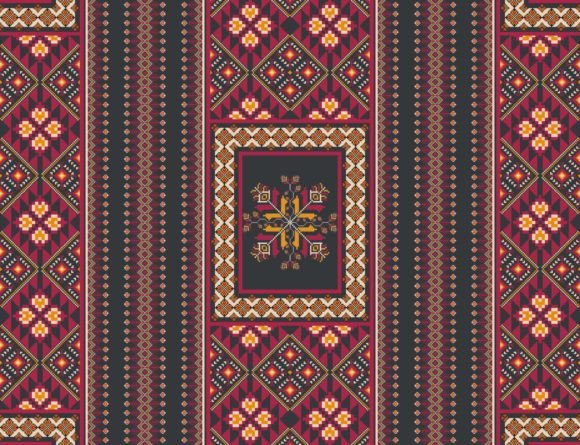
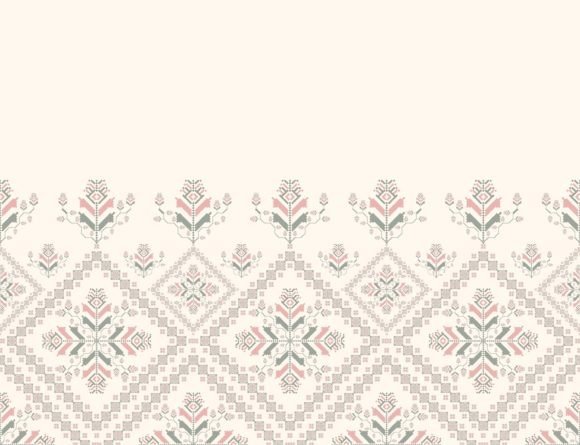
The Ethnic Embroidery Traditional Pattern immediately grabs attention with its rich, cultural aesthetic. It brings together vintage charm and modern geometric flair in a seamless layout that feels both timeless and fresh. The pattern is composed of bold ethnic stripes interwoven with floral motifs, all rendered in a pixel art style that gives it a unique digital yet handcrafted vibe.Mood and Theme
This design evokes a sense of heritage and craftsmanship. The mix of geometric shapes and floral elements suggests a blend of cultures, making it versatile for global-inspired projects. Whether you're aiming for a bohemian vibe or something more rustic, the Ethnic Embroidery Traditional Pattern fits naturally into themes like folk art, tribal aesthetics, or even retro-modern fusion.Real-Life Application Scenarios
I recently tested the Ethnic Embroidery Traditional Pattern on a custom embroidered tote bag destined for a local boutique’s seasonal collection. The design was stitched along the bottom edge, acting as a border to frame the main text. On cotton canvas, the result was stunning—the contrast between the vibrant colors and the neutral fabric really brought out the detail. For sweatshirt embroidery, the pattern could serve as a decorative band across the chest or sleeve. It works especially well when paired with minimalist lettering or logos, allowing the intricate design to stand out without competing visually. Similarly, on a tote bag design, it can be used as a repeating background or a subtle accent behind other graphics. In baby embroidery, I’d suggest using a simplified version of the pattern—maybe a smaller section of the design in muted tones—to avoid overstimulating visuals. It also has potential for nursery decor and holiday gifts, where its warm, traditional feel aligns with cozy, festive themes.What Stands Out?
One of the key strengths of the Ethnic Embroidery Traditional Pattern is its adaptability. As a vector-based embroidery file, it scales well for different sizes and formats. The pixel art style keeps the design clean and manageable, which is a relief for those who’ve worked with overly detailed patterns that bloat stitch counts or cause stitching issues. It’s particularly effective in fill stitch applications, where the repeating nature allows the machine to maintain consistent tension and flow. When used in satiny stitch for applique, the geometric lines hold up beautifully, adding texture and depth.Where to Use with Caution
While the Ethnic Embroidery Traditional Pattern is impressive, there are certain scenarios where it might not perform as well. For instance, when working with small hoop sizes, the fine details can get lost or cause distortion. I recommend avoiding it on anything under 4x4 inches unless you’re focusing on just a portion of the design. Textured fabrics like linen or denim can affect how the pattern appears post-stitching. The stitch density might need adjustment depending on the fabric's thickness to prevent puckering or gaps. Thin or stretchy materials such as rayon or spandex require extra care too. If not stabilized properly, the pattern may distort during the embroidery process. Dark fabric backgrounds can mute the impact of the design. While the pattern still looks good, the colors don’t pop as much compared to lighter substrates. This isn’t a dealbreaker, but it’s worth considering when planning your handmade product or personalized gift. Products that undergo frequent washing, like kitchen towels or aprons, should have their thread colors and stabilizer choices reviewed carefully. The pattern’s density and color combinations might fade unevenly if lower-quality threads are used.Impact on Product Value and Branding
Using the Ethnic Embroidery Traditional Pattern elevates the visual appeal of any item it adorns. For Etsy sellers or craft business owners, it offers a unique selling point—something that stands out from generic monograms or simple floral designs. Customers often respond positively to culturally inspired work, especially when it conveys quality and intentionality. The clarity of the machine embroidery design ensures that the finished product maintains a professional look. Even hobbyists can achieve excellent results with this pattern if they follow best practices. That said, for commercial use, it’s essential to confirm whether the digital embroidery file comes with proper licensing to sell the finished products or design assets online.Handmade Presentation and Giftability
When applied correctly, the Ethnic Embroidery Traditional Pattern enhances the perceived value of a handmade product. Its vintage and ethnic roots give it a story, which is a big plus for personalized gifts and holiday embroidery. A cushion cover or a tea towel featuring this pattern could easily become a cherished family heirloom or a standout at a craft fair.Designer Notes and Best Practices
Here are my top tips for working with the Ethnic Embroidery Traditional Pattern:- Test on scrap fabric first: Especially important if you're new to the design or unfamiliar with the thread colors.
- Check thread color contrast: Ensure the chosen colors complement the fabric and enhance visibility.
- Review stitch density: Adjust fill and satin stitches based on fabric type and desired outcome.
- Confirm hoop size: Larger areas will preserve detail better; small hooping may compromise clarity.
- Inspect small details: Look for overlapping pixels or areas where stitch direction might need tweaking.
- Use black and white mockups: Before choosing colors, see how the pattern lays out on the garment or item.
- Compare light and dark fabric backgrounds: This helps determine how visible the pattern will be.
- Choose the right stabilizer: Especially for delicate or stretchy fabrics to prevent shifting or distortion.
- Confirm licensing: If you're an Etsy seller or running a small shop product line, make sure the design allows for commercial reproduction.
Stitch Clarity and Fabric Texture
The pattern performs best on smooth, tightly woven fabrics like quilting cotton or lightweight denim. On these materials, the stitch clarity remains high, and the floral motifs retain their definition. However, on loosely woven or very textured materials, consider simplifying the design or reducing stitch density slightly to prevent holes or skipped stitches.Final Thoughts for Creative Entrepreneurs
The Ethnic Embroidery Traditional Pattern is a solid choice for designers looking to infuse cultural flavor into their embroidery projects. It’s not just about the look—it’s about what the design communicates: authenticity, care, and a touch of history. That being said, success with this pattern depends heavily on thoughtful application. From choosing the right thread colors to adjusting for fabric texture, each decision affects the final outcome. Take the time to preview, test, and tweak before going full-scale. If you're a craft business owner or apparel decorator, this design could become a staple in your collection—especially for items like pillow covers, custom apparel, or decorative accents on home goods. Just remember, context matters. Let the pattern speak where it fits best, and don’t force it onto unsuitable surfaces. In short, the Ethnic Embroidery Traditional Pattern is a beautiful, versatile graphic that deserves a place in your design toolkit—but like any tool, it shines brightest when used with understanding and intention.
⬇️ Download Free
Free download · No sign-up required
🔗 You Might Also Like
Patterns
First Impressions of the Ukrainian Geometric Embroidery Pattern As an experience...
Patterns
First Impressions: A Bold and Versatile Design As an experienced embroidery desi...
Patterns
First Impressions: A Vibrant and Versatile Design As an experienced embroidery d...
Patterns
As an experienced embroidery designer who frequently works with both handmade an...
Patterns
First Impressions: A Perfect Blend of Festive and Modern As an experienced embro...
