Enchanted Garden Embroidery Design Review
As an embroidery designer who has worked with countless digital files, I know that the right design can elevate a handmade product from ordinary to extraordinary. The Enchanted Garden Embroidery Design caught my eye for its intricate floral composition and soft, organic feel. It’s one of those designs that immediately conjures up images of springtime, fresh linen, and thoughtful gifts. Let me walk you through how this design performs in real-world embroidery projects, where it shines, and where it might need some careful handling.
A First Glance: Mood and Visual Personality
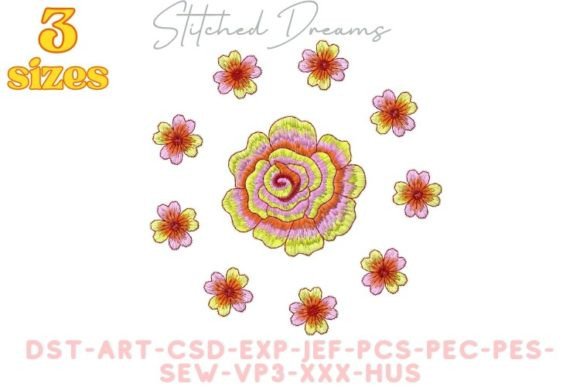
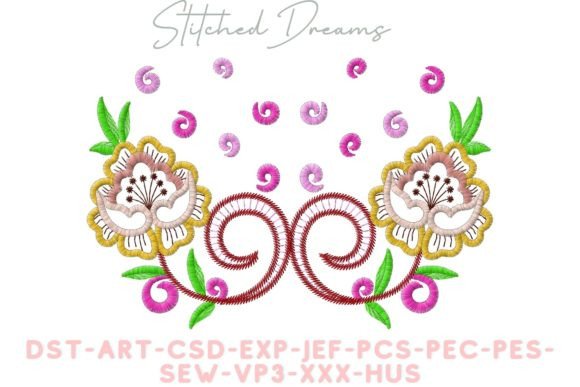
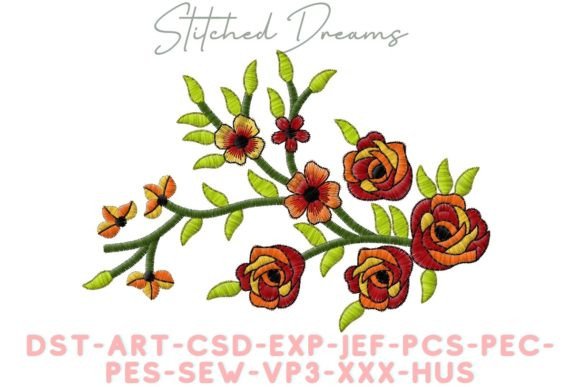
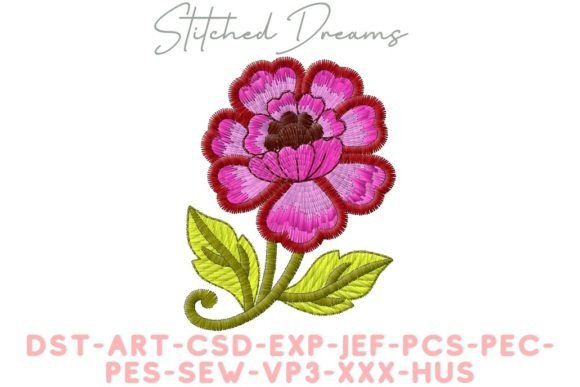
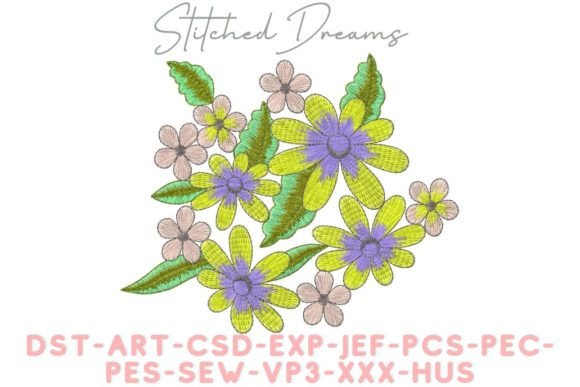
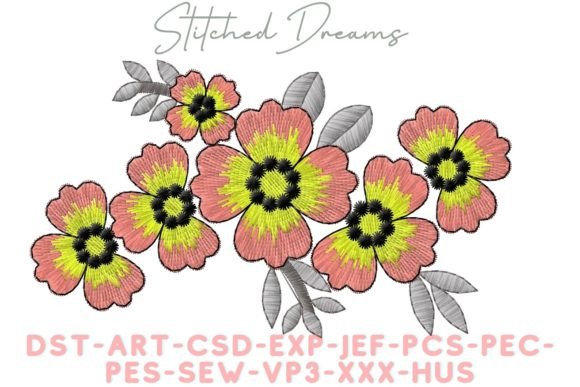
The Enchanted Garden brings a sense of whimsy and elegance to any surface it adorns. Its layout is balanced—neither too sprawling nor too compact—and the flowers are arranged in a way that feels natural, almost as if they were plucked from a garden just for your project. There's a delicate harmony between the larger blossoms and the smaller leaf elements, which gives the design depth without overwhelming the space. The level of detail suggests that it was crafted by someone who understands both beauty and functionality in embroidery art.
From a practical standpoint, the visual personality of Enchanted Garden makes it ideal for personalized gifts, boutique apparel, or even nursery decor. It has the charm needed to stand out on a custom sweatshirt or tote bag while maintaining enough subtlety to blend well with fabric textures and patterns.
Best Use Cases
- Tote bags: This design works beautifully on cotton or linen totes. Its flowy nature complements the casual look of these items, and it adds a touch of sophistication that customers love.
- Sweatshirts: On heavier fabrics like fleece or French terry, the Enchanted Garden stitches cleanly and holds up well after washing. The details remain intact, making it perfect for seasonal sweaters or holiday-themed items.
- Baby clothes and accessories: The gentle, floral theme fits perfectly into baby embroidery. As long as the stitch density is adjusted appropriately, it can be used on onesies, bibs, or swaddle blankets without compromising comfort or durability.
- Pillow covers and aprons: These are great applications for the design’s soft, blooming aesthetic. It brings warmth and a personal touch to home décor and kitchen accessories.
- Holiday gifts: For Christmas stockings, gift tags, or festive ornaments, this design adds a magical yet realistic botanical element that feels handcrafted and heartfelt.
Real-World Performance and Stitching Clarity
I recently tested the Enchanted Garden Embroidery Design on a custom sweatshirt order for a local boutique. The client wanted something that felt exclusive but not overly fussy. After loading the digital embroidery file into my machine, I noticed that the stitching paths were smooth and logical, with clear transitions between satin stitch outlines and fill areas. The leaves had a light running stitch pattern, which helped reduce bulk—a big plus for garments.
One thing I always do when working with new designs is run a test piece on scrap fabric. In this case, I stitched the Enchanted Garden onto a cotton flannel sample. The result was impressive: the petals had dimension, the colors (if using a multi-colored thread set) blended seamlessly, and the overall effect was very close to what the design preview suggested. That’s rare in machine embroidery, and it speaks to the quality of the original drafting.
Design Considerations for Optimal Results
- Thread color contrast: While the design includes a default thread color palette, I recommend experimenting with different shades depending on the fabric background. A darker base fabric will require lighter thread choices to ensure visibility.
- Stabilizer use: Because of the detailed fill areas and layered petals, a good cutaway or tear-away stabilizer is essential. Especially on stretchier or thinner materials, under-stabilizing could lead to puckering or distortion.
- Hoop size: Confirm the recommended hoop size before starting. If you’re working with a smaller hoop, the design may need to be scaled down carefully to maintain clarity in the finer lines and curves.
- Stitch density settings: Adjust fill stitch density based on the fabric type. Too dense on a lightweight garment can cause stiffness; too loose can make the design appear flat or incomplete.
Where to Use Carefully
While the Enchanted Garden is versatile, there are certain situations where extra attention is required:
- Small hoop sizes: The design’s moderate scale means it won’t translate well below a 4x4 inch hoop unless simplified.
- Textured or stretchy fabrics: Fabrics like jersey knit or canvas may require additional stabilization or seam allowances to prevent misalignment.
- Dark backgrounds: Unless you're using white or metallic threads, the design might lose its visual impact on black or navy fabrics.
- Curved surfaces: When applying the design to curved areas such as caps or hooded jackets, slight resizing or repositioning may be necessary to keep the shape aligned properly.
- Frequent-wear items: Although the design is sturdy, frequent washing of items like tea towels or aprons could cause some thread tension issues over time. Using all-purpose cotton or polyester threads helps mitigate this.
Impact on Product Value and Customer Perception
When it comes to handmade products, the Enchanted Garden design adds a layer of sophistication that appeals to both casual crafters and professional Etsy sellers. It’s not too bold to be off-putting, nor too simple to seem generic. Instead, it offers a middle ground that enhances the perceived value of the finished item.
Customers tend to respond positively to designs that have a natural, artistic flair. The Enchanted Garden achieves this balance, making it a strong candidate for personalized gifts or branded merchandise. Whether it's a custom embroidered patch for a small shop logo or a floral accent on a wedding favor, the design brings a sense of care and intentionality to the product.
Visual Appeal and Brand Consistency
For creative entrepreneurs and craft business owners, consistency in design language is key. The Enchanted Garden can easily become a signature motif across multiple product types—think pillow cases, tote bags, and even printable mockups for online listings. Its versatility allows for subtle variations in thread color or placement, which can help differentiate items within a collection while maintaining brand recognition.
Using this design also boosts professionalism in your work. Clients notice when a design looks crisp and intentional, and it builds trust in your ability to deliver high-quality, finished products. Plus, the machine embroidery design format ensures clean, repeatable results, which is crucial when scaling production or fulfilling orders.
Practical Designer Notes for Real Projects
If you're considering adding the Enchanted Garden Embroidery Design to your next project, here are a few tips to help you get the most out of it:
- Test on scrap fabric: Always stitch a sample first to see how the design interacts with your specific material and machine setup.
- Check thread colors: Make sure the thread palette complements your fabric choice and enhances the design’s visual impact.
- Review stitch density: If you're using this for holiday embroidery or apparel decoration, adjust the fill density to suit the weight of the garment.
- Inspect small details: The design features fine line work that may require slower stitching speeds for accuracy, especially around petal edges and leaf veins.
- Confirm hoop size requirements: Some embroidery machines have limitations on maximum stitch count per design. Ensure the file fits comfortably within your hoop dimensions.
- Use proper stabilizer: A medium-weight stabilizer is typically best for preserving the integrity of the design during and after stitching.
- Compare light and dark fabric backgrounds: The design’s impact varies significantly depending on the base fabric color. Try a white vs. gray test to see which version resonates more with your target audience.
- Consider licensing: If you plan to sell commercial embroidery products or include this as part of a digital product bundle, double-check the licensing terms to avoid legal pitfalls.
Final Thoughts for Makers and Merchants
In the world of digital embroidery files, many designs either lean too heavily into complexity or fall short in visual appeal. The Enchanted Garden manages to strike a balance that makes it suitable for both hobbyists and craft businesses. It’s not just a decorative applique design—it’s a statement piece that can anchor a product line or add character to a single handmade item.
Whether you're preparing tote bag designs for a pop-up shop or planning sweatshirt embroidery for a client order, the Enchanted Garden is a solid choice—if you approach it with awareness of its needs and potential challenges. With the right preparation and adjustments, it can become a go-to asset in your design assets library.
Remember, every embroidery project is unique. What works on one fabric may behave differently on another. Take the time to understand how this design behaves in your hands, and you’ll find it rewarding in both form and function.