Crochet Mushroom Embroidery Backgrounds for Craft Fairs
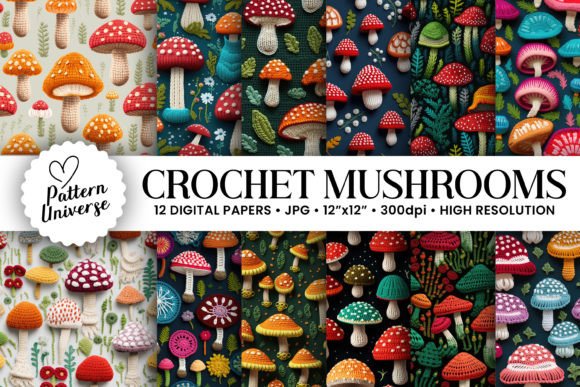
As an experienced embroidery designer who regularly sets up a booth at weekend craft fairs and handmade markets, I always look for design assets that elevate my products while staying practical for production. The Crochet Mushroom Embroidery Backgrounds caught my eye the moment I saw them — not just for their whimsical charm but for how well they could integrate into a variety of small shop products. These 12 digital papers offer a fresh twist on seasonal motifs, with enough personality to stand out in a crowd.
A First Impression That Sells
The first thing I noticed about these patterns is their visual appeal. They carry a soft, farmhouse aesthetic with a touch of modern simplicity. Each background features a playful arrangement of mushrooms rendered in crocheted textures, making them feel both cozy and stylish. The designs don’t scream for attention; instead, they draw the eye subtly, which is perfect for creating handmade products that customers want to take home without feeling overwhelmed by bold graphics.
This kind of subtle yet decorative style is especially appealing to handmade gift makers and craft fair sellers, as it aligns with current trends in cozy cottagecore and nature-inspired décor. Whether you're targeting a rustic or more contemporary audience, these backgrounds can adapt well depending on the fabric and thread colors you choose.
What Works Best With This Design?
I tested the Crochet Mushroom Embroidery Backgrounds across several common craft fair items to see where they would shine. Here’s what stood out:
- Tote bag design: The mushroom pattern works beautifully on medium to large tote bags. Its soft texture blends well with natural linen or cotton, giving off a premium vibe that appeals to eco-conscious shoppers.
- Apron embroidery: On aprons, especially those made from quilting cotton, the design adds a charming focal point. It's perfect for adding a personal touch to kitchen wear that stands out on your table display.
- Tea towel embroidery: For tea towels, the pattern looks best when slightly scaled down. The stitch density is manageable, and the repeating elements give it a cohesive, decorative finish ideal for functional yet stylish home goods.
- Embroidered patches: These are a great way to showcase the design as a small accent. A patch with a single mushroom motif paired with minimal stitching makes for an elegant and versatile add-on for hats, jackets, or even laptop sleeves.
- Fabric pouches & pillow covers: The softness of the pattern complements these smaller, decorative items. When placed centrally, it becomes a conversation starter — something customers notice and ask about.
- Market bags & gift wraps: Using the full background layout on larger market-style bags gives them a unique, artisanal look. It also serves as a fantastic option for gift wrapping paper at your booth, reinforcing your brand's handmade quality.
These backgrounds are incredibly versatile. As a machine embroidery design, they allow for consistent application across multiple products, helping maintain a strong booth display and brand identity.
Design Practicality for Production
One of the most important aspects of any digital embroidery file is its usability in real-world settings. The Crochet Mushroom Embroidery Backgrounds are no exception. Here’s what I found during my evaluation:
- Visibility at a glance: The design has enough detail to be noticeable from a distance, yet retains a clean look that doesn't overwhelm the viewer. This is key for attracting attention in a busy craft fair environment.
- Small vs. large scale: While the full background looks stunning on larger surfaces like tote bags and market bags, some of the finer details may get lost when used as a small accent. Be sure to test different sizes before committing to batch production.
- Photography for Etsy listings: The stitched result photographs exceptionally well, especially when using light-colored threads on darker fabrics. The textured look of the mushrooms adds depth in photos, making your finished product pop online.
- Batch production readiness: If you're planning to produce a range of similar items (like a line of embroidered tea towels), this design is repeatable and adaptable. Just make sure you’re using the right stabilizer and hoop size for each fabric type to avoid puckering or distortion.
Useful Tips for Getting the Most Out of This Design
To ensure your handmade product turns out as professional and appealing as possible, here are a few practical notes based on my experience:
- Test on scrap fabric: Before stitching anything for sale, run a sample on the same type of fabric you plan to use. This helps you assess how the stitch density interacts with the material.
- Check thread contrast: The mushrooms will only stand out if there’s a good contrast between the thread colors and the base fabric. Try pairing dark mushrooms on light backgrounds for maximum impact.
- Review spacing carefully: Since these are background patterns, spacing between elements is crucial. Too close, and it becomes cluttered; too far apart, and it loses its cohesive charm.
- Confirm hoop size requirements: Though the product description doesn’t specify hoop sizes, I recommend checking each design individually to ensure compatibility with your embroidery machine.
- Inspect stitch density: Some areas of the pattern may be denser than others, particularly around the mushroom caps. Adjusting stitch density or using a lighter-weight thread can help prevent stiffness, especially on thin fabrics.
- Use the right stabilizer: Depending on your fabric choice, a tear-away or wash-away stabilizer might be necessary to keep the design looking crisp and neat after embroidery.
- Create at least one real mockup: A physical mockup allows you to see how the design performs in person and how it translates visually in photos for your Etsy listing or printed marketing materials.
- Compare fabric colors: The same design can have drastically different results on white versus cream or beige fabric. Test a few color options to find the best match for your brand.
- Confirm commercial licensing: Since these are intended for commercial use, double-check the licensing terms included with the design set. This ensures you stay within legal boundaries when selling your finished products.
- Dense stitch areas: Certain parts of the design may require extra care to avoid puckering or over-stitching, especially if you're working with delicate or stretchy fabrics.
- Tiny details: The intricate lines and small elements of the mushrooms can become less defined when scaled down. Consider simplifying or enlarging certain sections for clarity.
- Thick or textured fabric: The design may not translate as smoothly onto heavily textured fabrics like burlap or canvas. Smooth, woven fabrics tend to yield the best results.
- Curved cap surfaces: When applying the design to curved items like baseball caps or round pouches, you’ll need to adjust the placement or possibly reshape the design to fit properly.
- Dark fabric: On very dark backgrounds, the mushrooms may lose definition unless you use bright or metallic thread colors.
- Small lettering or text: If your design includes text, make sure it's legible when combined with the mushroom pattern. You may need to simplify or enlarge it for better visibility.
Caution Zones: What to Watch For
While the Crochet Mushroom Embroidery Backgrounds are a strong addition to many items, there are some things to consider:
Boosting Visual Appeal and Customer Engagement
From a sales perspective, the Crochet Mushroom Embroidery Backgrounds do more than just look cute — they tell a story. They evoke warmth, nostalgia, and a love for nature, all of which resonate strongly with today’s handmade market buyers. Customers are more likely to pause and engage with a product that feels thoughtful and intentional, and these backgrounds deliver that.
When displayed together on a booth table — say, on a mix of tote bags, aprons, and pillow covers — the designs create a cohesive theme that enhances the overall visual strength of your offerings. This consistency is vital for building a recognizable brand and encouraging impulse purchases.
Why This Design Stands Out at the Craft Fair
At a typical craft fair, customers are bombarded with thousands of choices. A design that balances subtlety with character can cut through the noise. The Crochet Mushroom Embroidery Backgrounds do just that. Their organic shapes and gentle curves invite closer inspection, and once people get up close, they’re often charmed by the craftsmanship.
For Etsy sellers and small shop product creators, this means your listings will benefit from the design’s visual richness. Pair them with high-quality images and clear descriptions, and you’ll see higher engagement and fewer returns due to unmet expectations.
Final Thoughts for Creative Entrepreneurs
In short, the Crochet Mushroom Embroidery Backgrounds are a valuable asset for any embroidery designer preparing for a craft fair or expanding their handmade product line. They bring a touch of whimsy and elegance that fits perfectly with fall-themed items, but their neutral tone also allows for year-round use.
Whether you're looking to boost your commercial embroidery offerings or simply add a new dimension to your craft fair product lineup, these patterns provide a solid foundation. Just remember to tailor the application to your specific needs and materials — and always test before you commit to a batch.
If you're ready to bring a little magic into your next collection, the Crochet Mushroom Embroidery Backgrounds are worth considering. They might just become the star of your booth — and your customer’s cart.